Fewer Questions, More Registrations: The Importance of a Well-Described Event

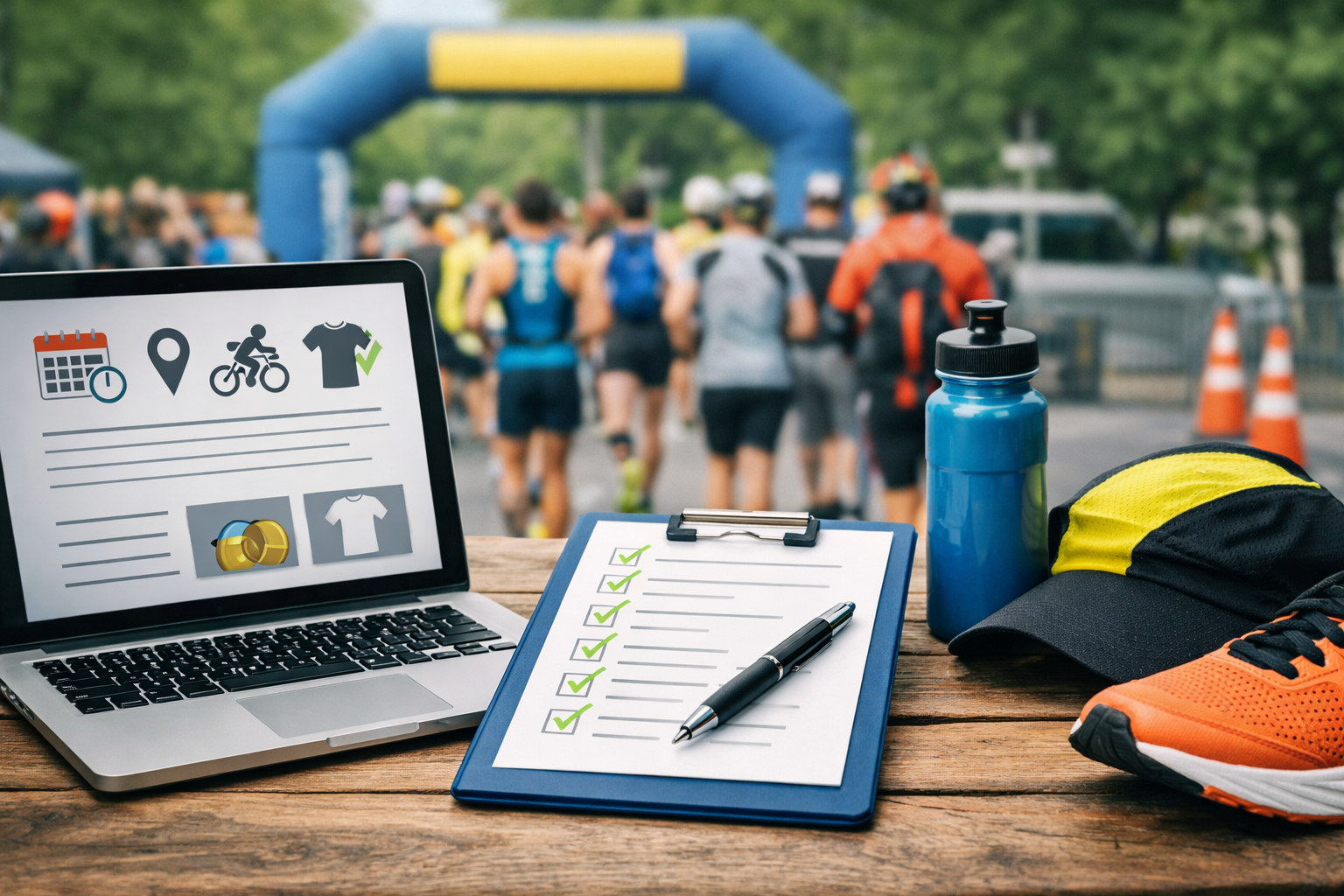
If you are a sports event organizer and find yourself receiving constant messages with basic questions like “What time is the start?”, “Where do I pick up my kit?”, or “Is the course beginner-friendly?”, there is a clear sign: your event information is either incomplete or unclear.
In practice, a poorly described event creates uncertainty for the athlete, overloads the organizer’s support team, and often results in fewer sign-ups. On the other hand, a well-described event radiates professionalism and trust, making the decision much easier for anyone thinking about registering.
In this article, you will understand why the event description is so vital, which information is non-negotiable, and how this directly impacts the conversion rate of your event page.
Why Does the Event Description Influence Registrations?
When an athlete visits an event page, they want quick, objective answers. If they don’t find what they are looking for, two things usually happen:
- They send a message to the organizer or support team;
- Or they simply leave the page and look for another event with clearer information.
Today’s athletes compare events, platforms, and experiences. A well-described event:
- Builds higher credibility;
- Reduces doubts and repetitive tasks;
- Lowers the risk of complaints;
- Increases the registration conversion rate.
Essential Checklist: What Your Event Description Must Include
To avoid confusion and improve the athlete's experience, these points are essential on both the event page and in the official rules:
1. Date, Location, and Times
It sounds obvious, but many events fail here. Always be clear about:
- Event Date
- Exact Location (include a map or landmarks)
- Start Time (Gun time)
- Venue Opening Hours
- Kit Pickup Schedule
2. Categories and Courses
The athlete needs to know if the event fits their level. Include:
- Available Modalities (Running, MTB, Trekking, etc.)
- Distances and Age Categories
- Difficulty Level
- Suitability for Beginners
3. Registration Fee and Inclusions
Make it clear exactly what the athlete is paying for:
- Registration price
- What’s in the race kit?
- T-shirt, medal, chip, hydration, breakfast, etc.
4. Kit pickup and required documents
This is one of the areas that generates the most questions when information is unclear. Always provide details on:
- Date, location, and pickup times
- Third-party pickup: Specify if this is allowed and if a written authorization (proxy) is required.
- Mandatory documents: (ID, medical certificate, sports membership card, etc.)
- Same-day pickup: Whether it is possible to collect the kit on the day of the event.
5. Rules, cancellations, and refunds
The regulations are not just red tape: they protect the organizer and guide the athlete. It is fundamental to provide information on:
- Cancellation policy
- Refunds or registration transfers
- Athlete's liability
- Participation rules
Practical tips to reduce inquiries and increase registrations
Here are some simple best practices that can make a huge difference:
- Use clear and direct language
- Organize information with bullet points
- Put yourself in the athlete's shoes
- Keep the event page updated
- Use the regulations as a supporting document
Practical Example: Poor vs. Effective Description
Poor Description:
“Running event this Sunday. Medals and prizes included.”
Effective Description:
“5K and 10K Road Race on 04/20/20xx. Start time: 7:00 AM at Central Park. The event is open to both beginners and elite athletes. All finishers receive a medal. Kit pickup: Saturday from 2:00 PM to 6:00 PM.”
Conclusion
A well-described event is more than just organized; it is a sales strategy. When information flows easily, the athlete feels secure enough to register and recommend the event to others.
At Keepsporting, we believe that fewer questions mean more participants. Investing time in your description is investing in your event's success.
If you are an organizer, check your event page right now and ask yourself: 👉 "If I were an athlete, would I find all the answers here?"
If the answer is yes, you are on the right track. 🚀🏃♂️🚴♀️